

Introduction
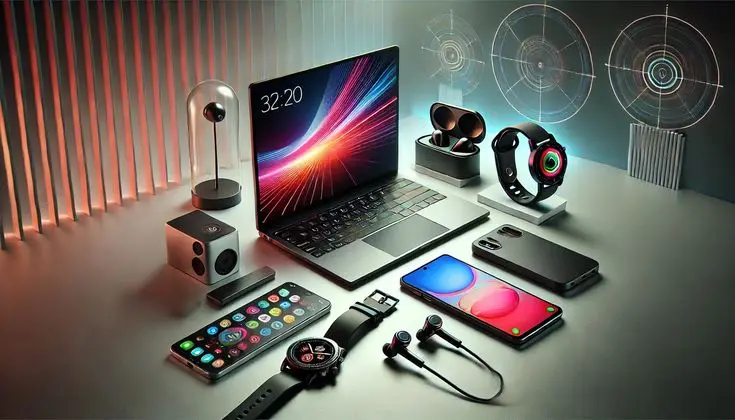
Smart technology has become an essential part of modern life, transforming how people manage daily tasks, communicate, and stay productive. From smartphones and wearable devices to AI-powered assistants and home automation systems, these tools are designed to make life easier, faster, and more efficient. Today, the best smart technology tools for everyday use are not just luxury items; they are practical solutions that help individuals save time and improve their lifestyle.
In recent years, technology has advanced rapidly, offering smarter, more connected devices that integrate seamlessly into daily routines. Whether you are a student, professional, or business owner, these tools can help you stay organized, manage your time better, and increase productivity without extra effort.
This article explores the most effective smart technology tools available today, their importance, how they work, and how you can use them in your daily life. You will also learn about their benefits, risks, and expert tips to make the most out of them. By the end, you will have a clear understanding of how these innovations can improve your everyday experience.
What is Smart Technology for Everyday Use?
Smart technology refers to advanced digital tools and devices that use artificial intelligence, automation, and internet connectivity to perform tasks efficiently. These tools are designed to simplify human activities and reduce manual effort.
The best smart technology tools for everyday use include smartphones, smartwatches, virtual assistants, smart home devices, productivity apps, and cloud-based services. They can perform a wide range of functions such as communication, scheduling, monitoring health, controlling home systems, and managing work tasks.
These tools are often connected through the internet, allowing users to control and monitor them remotely. For example, you can adjust your home thermostat from your phone or ask a voice assistant to set reminders or play music.
Smart technology is not limited to complex systems. Even simple apps that track your daily steps or help manage your calendar fall into this category. The goal is to make everyday life smoother, more organized, and less stressful.
Why is Smart Technology Important?
Smart technology plays a major role in today’s fast-paced world. People are constantly looking for ways to save time and increase productivity, and smart tools offer exactly that.
One of the biggest reasons it is important is efficiency. These tools automate repetitive tasks, allowing users to focus on more meaningful activities. For example, smart scheduling apps can automatically organize your meetings without manual input.
Another reason is convenience. With smart devices, you can control multiple aspects of your life from a single platform. This includes home security, entertainment systems, and personal reminders.
Additionally, smart technology improves decision-making. Many tools provide real-time data and insights, helping users make informed choices. For instance, fitness apps track health metrics and suggest improvements.
Finally, it enhances connectivity. People can stay connected with friends, family, and work teams regardless of location, making communication easier and faster than ever before.
Detailed Step-by-Step Guide to Using Smart Technology Tools

Step 1: Identify Your Needs
Before choosing any smart technology, determine what you need most. It could be productivity, health tracking, communication, or home automation.
Step 2: Choose the Right Devices
Select tools that match your lifestyle. For example, a smartwatch is ideal for fitness tracking, while a smart speaker is useful for home automation.
Step 3: Install and Set Up Apps
Most smart tools require companion apps. Download and install them to connect your devices and customize settings.
Step 4: Connect to the Internet
Ensure all devices are connected to Wi-Fi or mobile data for full functionality.
Step 5: Customize Settings
Adjust settings according to your preferences. This includes notifications, privacy options, and automation features.
Step 6: Integrate with Other Tools
Many smart devices can be connected together for better performance. For example, linking your phone with smart home devices.
Step 7: Monitor and Optimize
Regularly check performance and update software to ensure smooth operation and improved efficiency.
Benefits of Smart Technology Tools
- Saves time by automating daily tasks
- Increases productivity and efficiency
- Enhances communication and connectivity
- Provides real-time data and insights
- Improves home security and safety
- Supports better health monitoring
- Reduces manual effort in daily routines
- Offers remote control of devices
- Helps in better time management
- Increases convenience in everyday life
Disadvantages / Risks of Smart Technology Tools
- High initial cost for advanced devices
- Dependence on internet connectivity
- Privacy and data security concerns
- Possible technical glitches or failures
- Learning curve for beginners
- Over-reliance on automation
- Frequent updates required for performance
Common Mistakes to Avoid
Many users make mistakes while using smart technology tools. One common mistake is ignoring security settings, which can lead to data breaches. Always enable strong passwords and two-factor authentication.
Another mistake is overloading devices with too many apps. This can slow down performance and reduce efficiency.
People also often skip software updates, which are essential for fixing bugs and improving security.
Lastly, relying completely on automation without understanding how tools work can lead to confusion during technical issues. It is important to maintain basic knowledge of how your devices function.
FAQs
1. What are smart technology tools used for?
They are used to automate tasks, improve productivity, manage time, and simplify daily activities through digital systems and AI-powered features.
2. Are smart technology tools expensive?
Some tools are expensive, but many affordable options are available depending on features and brand.
3. Do I need internet for smart tools?
Most smart tools require internet to function fully, especially those with cloud-based features.
4. Are smart devices safe to use?
Yes, but users must follow security practices like strong passwords and regular updates to ensure safety.
5. Can beginners use smart technology easily?
Yes, most modern tools are designed with user-friendly interfaces suitable for beginners.
6. What is the most useful smart technology tool?
It depends on your needs, but smartphones and smart assistants are among the most widely used tools.
Expert Tips & Bonus Points
Experts recommend starting with basic smart tools before moving to advanced systems. This helps you understand functionality without feeling overwhelmed.
Another tip is to focus on integration. Choose tools that can connect with each other for better efficiency.
Regular maintenance is also important. Keep your devices updated and clean for optimal performance.
Finally, avoid unnecessary gadgets. Only invest in tools that truly add value to your daily life.
Conclusion
Smart technology has completely changed the way people live, work, and communicate. The best smart technology tools for everyday use offer convenience, efficiency, and improved control over daily tasks. From managing schedules to automating home systems, these tools provide practical solutions for modern challenges.
As technology continues to evolve, its role in everyday life will become even more significant. People who adopt these tools early can benefit from increased productivity, better organization, and enhanced lifestyle quality.
However, it is also important to use smart technology responsibly. Understanding its risks, maintaining security, and avoiding over-dependence are essential for balanced usage.
