

Introduction
Smart devices have become a part of daily life, making homes more connected, efficient, and convenient. From smart speakers and lights to security cameras and thermostats, these devices are designed to simplify routine tasks and improve comfort. However, with so many options available in the market, choosing the right smart devices can feel confusing, especially for beginners. That is why understanding what to look for before buying is very important.
In this simple guide, you will learn how to choose useful smart devices that actually fit your lifestyle and needs. Instead of wasting money on unnecessary gadgets, you will discover how to focus on practicality, compatibility, and long-term value. Whether you want to make your home smarter, improve security, or save energy, the right choices can make a big difference.
This article will walk you through everything step by step, including what smart devices are, why they matter, how to select them, common mistakes to avoid, and expert tips. By the end, you will feel more confident in choosing smart technology that enhances your daily life without complications or confusion.
What is a Simple Guide to Choosing Useful Smart Devices?
A simple guide to choosing useful smart devices refers to a structured approach that helps users select the right smart technology for their home or personal use. It focuses on understanding needs, comparing features, and evaluating compatibility before making a purchase.
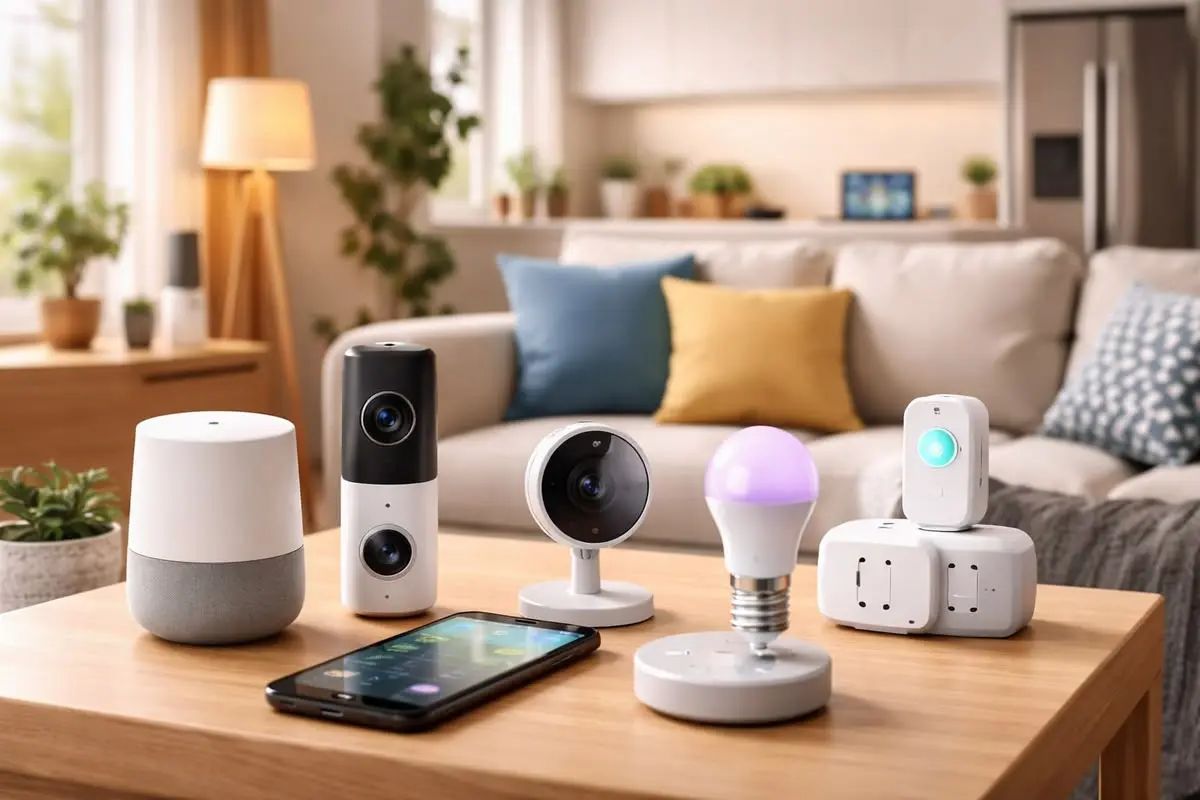
Smart devices are electronic gadgets connected through Wi-Fi, Bluetooth, or other networks, allowing users to control them remotely or automate tasks. Examples include smart bulbs, voice assistants, smart plugs, cameras, and home automation systems.
This guide is not just about buying gadgets; it is about making smart decisions. It helps users avoid unnecessary expenses and choose devices that truly add value to their lifestyle. Instead of focusing on trends, it emphasizes functionality, ease of use, and long-term benefits.
In simple terms, this guide acts as a roadmap for selecting smart devices that match your daily needs, budget, and technical comfort level.
Why is Choosing Useful Smart Devices Important?
Choosing the right smart devices is important because it directly affects your comfort, security, and overall efficiency at home. With the growing number of smart products, not every device is suitable for every user.
Firstly, it helps you save money by avoiding unnecessary or low-quality gadgets. Many people buy smart devices based on trends and later realize they do not use them. A proper selection process prevents this waste.
Secondly, it improves compatibility. Smart devices need to work together smoothly. If you choose incompatible products, you may face connectivity issues and poor performance.
Thirdly, it enhances daily convenience. The right smart devices can automate tasks like lighting, temperature control, and security monitoring, making life easier and more comfortable.
Lastly, it improves energy efficiency and safety. Smart thermostats and lighting systems can reduce electricity usage, while smart cameras and alarms increase home security.
Detailed Step-by-Step Guide
Step 1: Identify Your Needs
Before buying any smart device, clearly understand what you want to achieve. Do you want better security, energy savings, or convenience? This step helps you avoid unnecessary purchases.
Step 2: Set a Budget
Smart devices come in different price ranges. Setting a budget helps you narrow down options and focus on devices that offer the best value within your range.
Step 3: Check Compatibility
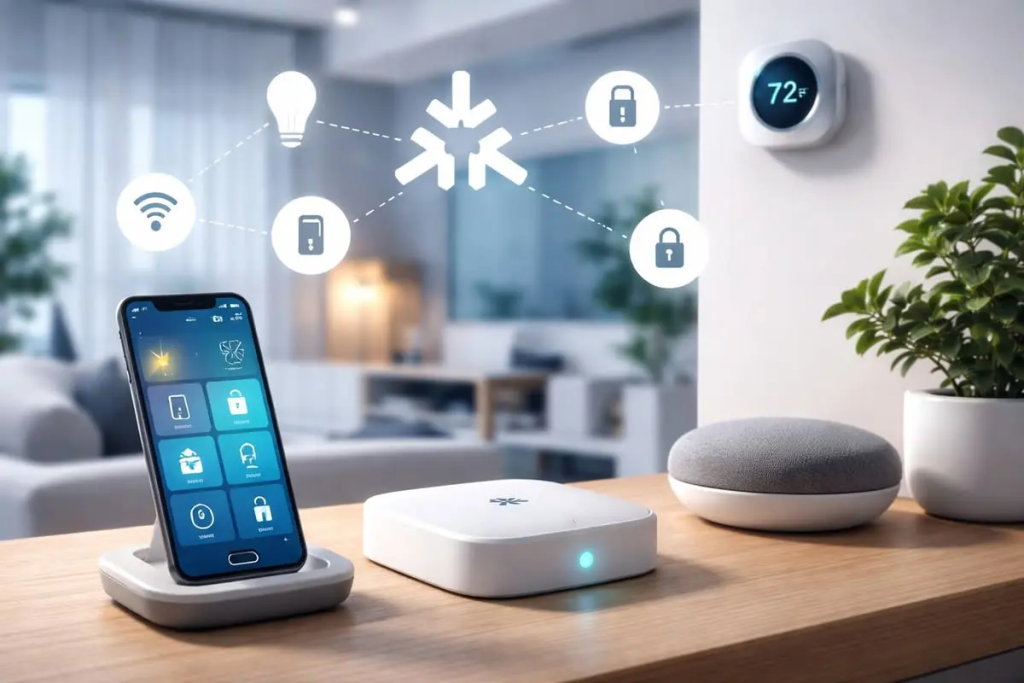
Ensure the device works with your existing system, such as Wi-Fi, smartphone, or smart home platforms like Google Home or Alexa. Compatibility is essential for smooth operation.
Step 4: Compare Features
Look at different models and compare features. Focus on useful features instead of fancy extras that you may not use.
Step 5: Read Reviews
User reviews provide real-world insights about performance, durability, and issues. Always check multiple sources before making a decision.
Step 6: Consider Ease of Use
Choose devices that are easy to install and operate. Complicated systems may cause frustration and reduce usability.
Step 7: Evaluate Brand Reputation
Trusted brands often provide better quality, updates, and customer support. This ensures long-term reliability.
Benefits of Choosing Useful Smart Devices
- Improved convenience in daily life
- Better home security and monitoring
- Energy savings through automation
- Remote control from smartphones
- Increased comfort and personalization
- Time-saving automation of routine tasks
- Better integration of home systems
- Long-term cost efficiency
Disadvantages / Risks
- High initial investment cost
- Dependence on internet connection
- Possible compatibility issues
- Privacy and data security concerns
- Technical difficulties for beginners
- Frequent updates required
- Risk of over-complication with too many devices
Common Mistakes to Avoid
Many users make mistakes when buying smart devices, which leads to poor experiences. One common mistake is buying too many devices at once without understanding their use. Another mistake is ignoring compatibility, which causes connection problems.
People also often focus only on price and ignore quality. Cheap devices may not last long or perform well. Another mistake is not reading user reviews, which can reveal hidden issues.
Some users also forget about future expansion. It is better to choose systems that allow you to add more devices later. Avoiding these mistakes helps you build a reliable and efficient smart home setup.
FAQs
1. What are smart devices used for?
Smart devices are used to automate and control home functions such as lighting, security, temperature, and entertainment, making daily life easier and more efficient.
2. Are smart devices expensive?
Not always. Some smart devices are affordable, while advanced systems can be costly. It depends on features and brand quality.
3. Do smart devices need Wi-Fi?
Most smart devices require Wi-Fi or Bluetooth to function properly and connect with apps or other devices.
4. Can beginners use smart devices easily?
Yes, many modern smart devices are designed for beginners with simple installation and user-friendly apps.
5. Are smart devices safe to use?
Generally, yes, but it is important to choose trusted brands and secure your network to protect personal data.
6. Which smart device should I buy first?
A smart speaker or smart bulb is a good starting point because they are easy to use and affordable.
Expert Tips & Bonus Points
Experts recommend starting small and gradually building your smart home system. Do not rush into buying multiple devices at once. Focus on one area, such as lighting or security, and expand later.
Always choose devices that support updates, as this ensures better performance over time. It is also wise to stick to one ecosystem, such as Google or Alexa, for better integration.
Another important tip is to prioritize security features. Since smart devices are connected to the internet, strong security protection is essential.
Finally, think long-term. Choose devices that can grow with your needs instead of ones that become outdated quickly.
Conclusion
Choosing useful smart devices is not just about following trends; it is about making thoughtful decisions that improve your lifestyle. When selected carefully, smart devices can bring convenience, safety, and efficiency into your home.
By understanding your needs, setting a budget, and checking compatibility, you can avoid common mistakes and make better choices. It is always better to start simple and gradually expand your smart home system over time.
Smart technology is evolving quickly, and it offers endless possibilities for improving daily life. However, the key lies in choosing the right devices that truly add value instead of unnecessary complexity.
