

Introduction
Smart technology is no longer a luxury reserved for large houses or high-income users. Today, even people living in small apartments or compact homes can enjoy the comfort and convenience of modern automation. The best budget smart tech for small homes is designed to make everyday life easier, more efficient, and more organized without requiring a large investment.
With rising electricity costs, busy lifestyles, and limited living space, smart devices have become essential tools for modern households. From smart lighting to compact voice assistants, these technologies help save time, reduce energy usage, and improve security. The good news is that most of these devices are now affordable and easy to install, even for beginners.
In this article, you will explore the most practical and budget-friendly smart tech options, understand how they work, and learn how to choose the right devices for your home. Whether you are upgrading your apartment or starting fresh, this guide will help you make smart decisions without overspending.
What is Best Budget Smart Tech for Small Homes?
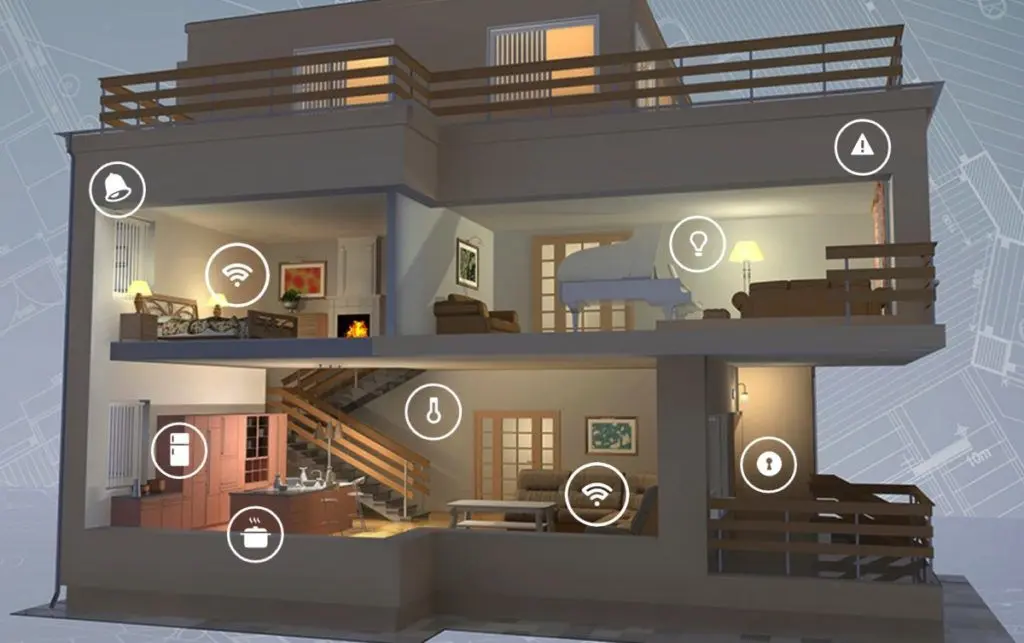
Best budget smart tech for small homes refers to affordable digital devices and systems designed to automate, control, and improve home functions in limited living spaces. These technologies include smart bulbs, plugs, speakers, sensors, cameras, and thermostats that connect through Wi-Fi or Bluetooth.
The main goal of this technology is to simplify daily routines while keeping costs low. For example, you can turn off lights using your phone, monitor your home remotely, or control appliances with voice commands.
Unlike traditional home automation systems, budget smart tech does not require heavy installation or professional setup. Most devices are plug-and-play and can be managed through mobile apps. This makes them perfect for renters, students, and small families who want modern convenience without complex systems.
Why is Best Budget Smart Tech for Small Homes Important?
The importance of the best budget smart tech for small homes is growing rapidly due to lifestyle changes and urban living trends. Small homes require smarter space management, energy efficiency, and security solutions.
First, these devices help save money. Smart plugs and lighting systems reduce unnecessary electricity usage, which lowers monthly bills. Second, they improve convenience. Instead of manually controlling every appliance, you can manage everything from your smartphone.
Third, smart technology increases safety. Smart cameras, door sensors, and alarms provide real-time alerts, which is especially useful for people living alone or in apartments.
Another important reason is time-saving. Automating daily tasks like turning lights on/off or scheduling appliances allows you to focus on more important activities.
Finally, small homes benefit greatly from space-saving smart devices. Instead of multiple bulky systems, compact gadgets handle multiple functions efficiently. This makes the best budget smart tech for small homes a practical solution for modern living.
Detailed Step-by-Step Guide
Step 1: Identify Your Home Needs
Before buying any device, analyze your daily routine. Decide whether you need better lighting, security, energy control, or entertainment. This helps you choose the right smart devices without wasting money.
Step 2: Start with Basic Smart Devices
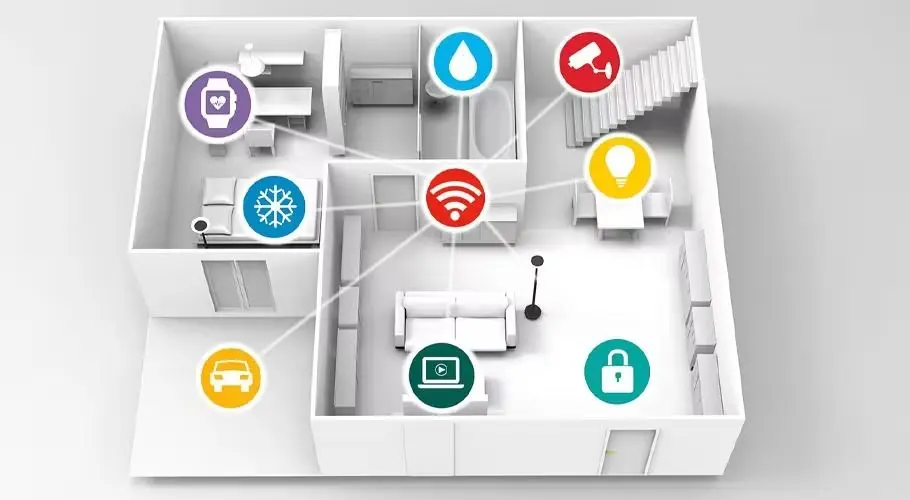
Begin with essential gadgets like smart bulbs, smart plugs, and a voice assistant. These are affordable and easy to set up. They also provide immediate benefits in daily life.
Step 3: Choose a Smart Hub or Assistant
A smart assistant connects all your devices. It allows you to control everything using voice commands or a single app. This is the backbone of any smart home setup.
Step 4: Expand Gradually
After basic setup, slowly add more devices like cameras, sensors, and smart thermostats. This prevents overspending and keeps your system organized.
Step 5: Optimize for Energy Efficiency
Use automation features to schedule devices. For example, set lights to turn off automatically at night or control AC usage during specific hours.
Step 6: Ensure Strong Wi-Fi Connection
A stable internet connection is important for all smart devices. Without it, performance can become unreliable.
Benefits of Best Budget Smart Tech for Small Homes
- Saves electricity and reduces utility bills
- Improves home security with smart monitoring systems
- Makes daily tasks easier through automation
- Saves time by controlling devices remotely
- Enhances comfort and convenience in small spaces
- Easy to install and use without technical knowledge
- Scalable system that can grow with your needs
Disadvantages / Risks
- Dependence on internet connection for full functionality
- Possible privacy concerns with connected devices
- Initial setup may still require learning time
- Some devices may not be compatible with each other
- Low-quality products can reduce performance and reliability
Common Mistakes to Avoid
Many beginners make mistakes when setting up smart homes. One common mistake is buying too many devices at once without understanding their purpose. This leads to confusion and wasted money.
Another mistake is ignoring compatibility. Not all smart devices work together, so choosing the same ecosystem is important.
People also forget about Wi-Fi strength. Weak internet leads to lagging devices and poor performance.
Lastly, many users ignore security settings. It is important to set strong passwords and update firmware regularly to protect your smart home system.
FAQs
1. What is the best budget smart tech for small homes?
The best budget smart tech includes smart bulbs, plugs, cameras, and voice assistants that improve comfort and efficiency without high cost.
2. Are smart home devices expensive?
No, many entry-level smart devices are affordable and designed specifically for budget users and small homes.
3. Can I install smart devices myself?
Yes, most smart devices are plug-and-play and can be installed easily using mobile apps without professional help.
4. Do smart homes save electricity?
Yes, smart devices help control energy usage, reduce waste, and lower electricity bills through automation.
5. Is internet required for smart devices?
Most smart devices require Wi-Fi to function properly, especially for remote control and automation features.
6. Are smart home devices safe?
Yes, they are safe if you use strong passwords, secure apps, and updated firmware to protect your system.
7. Can I upgrade my smart home later?
Yes, smart home systems are flexible. You can start small and expand by adding new devices over time.
Expert Tips & Bonus Points
Experts recommend starting small when building a smart home. Focus on essential devices first instead of buying everything at once. This helps you understand how each device fits into your lifestyle.
Always choose devices from reliable brands to ensure quality and long-term performance. Cheap, unknown brands may fail quickly or cause connectivity issues.
Another tip is to use automation wisely. Over-automation can sometimes create confusion, so keep your system simple and practical.
Also, place smart devices strategically. For example, install motion sensors in hallways or entrances for better efficiency.
Finally, regularly update your devices. Updates improve performance, fix bugs, and enhance security.
Conclusion
The best budget smart tech for small homes is transforming the way people live in compact spaces. With affordable and easy-to-use devices, anyone can create a smart living environment without spending a fortune.
From improving security to saving energy, smart technology offers practical benefits that fit perfectly into modern lifestyles. Small homes especially benefit from these solutions because they maximize efficiency without taking up extra space.
As technology continues to evolve, more affordable options will become available, making smart living accessible to everyone. The key is to start simple, choose wisely, and expand gradually based on your needs.
